
Shops are full of “tooth-friendly” sugar-free gum claiming to fight cavities. Is that marketing, or medicine? We looked at what indexed research actually covers xylitol and tooth decay — here is the honest version.
First, why sugar is the villain
The WHO’s oral-health fact sheet (March 2025) lists sugar consumption among the key modifiable risk factors for oral diseases — alongside tobacco, alcohol and poor hygiene. The mechanism is simple: oral bacteria ferment sugars into acid, acid dissolves tooth mineral, and repetition throughout the day means repeated attack. How often you sugar your teeth matters almost as much as how much.
What is xylitol?
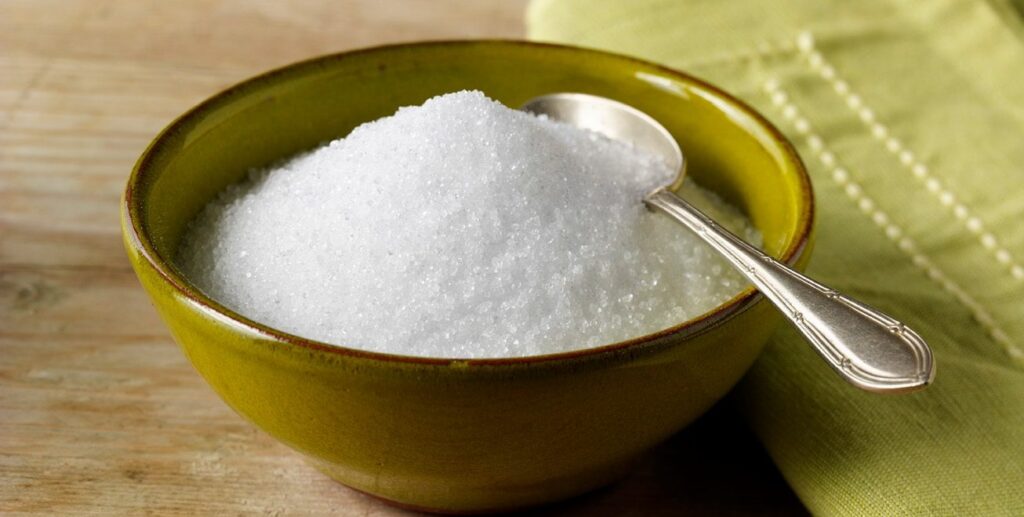
Xylitol is a sugar alcohol — sweet like sugar, but metabolised differently. It does not feed cavity-causing bacteria the way sucrose does, and products sweetened with it (gum, mints, toothpaste) are widespread. That biological logic is exactly why researchers have tested it for decades.
What the research record shows
- A PubMed search for “xylitol + dental caries + prevention + systematic review” returns 39 papers spanning 2003 to 2026 — an active, still-evolving field, not a closed case.
- A 2017 systematic review in Pediatric Dentistry (Marghalani AA, Guinto E, Phan M, Dhar V, Tinanoff N; 39(2):103–110; PMID 28390459) set out to evaluate “the effectiveness of xylitol in reducing dental caries in children compared to no treatment, a placebo, or preventive strategies.”
- Results across the wider literature have been mixed and hard to standardise: effects depend on dose, frequency, product and whether it is combined with fluoride routines — which is why reviews in this field keep calling for better-designed trials rather than declaring a final verdict.
Our clinical reading: xylitol gum is a reasonable add-on — especially to stimulate saliva after meals — but it has never displaced the two things with the strongest evidence: fluoride toothpaste twice daily and less frequent sugar.
How to use gum sensibly
- Choose gum clearly labelled sugar-free / xylitol-sweetened.
- Chew after meals for 10–20 minutes — saliva is the mouth’s own repair fluid, and chewing increases its flow.
- Don’t let it replace brushing; don’t chew sugared gum at all.
- For young children, supervise — gum is not for swallowing (and xylitol is notably unsafe for dogs, so keep packs away from pets).
- If you have jaw pain or TMJ clicking, ask your dentist before making it a habit.
Sources
- WHO — Oral health fact sheet, 17 March 2025 (sugar consumption as a key modifiable risk factor): who.int
- PubMed search: “xylitol dental caries prevention systematic review” — 39 results, 2003–2026 (verified Nov 2026): pubmed.ncbi.nlm.nih.gov
- Marghalani AA, Guinto E, Phan M, Dhar V, Tinanoff N. Systematic Review of the Effect of Xylitol on Dental Caries in Children. Pediatr Dent. 2017 Mar 15;39(2):103–110. PMID: 28390459.
- Xylitol background (sugar alcohol, metabolism, veterinary toxicity): Wikipedia — Xylitol (verified Nov 2026).
Note: Educational content, not personal dental advice. No gum replaces brushing, flossing and regular check-ups — ask your dentist what fits your teeth.